A Typical Day at a Swim Camp
A well-planned swim camp can improve technique, fitness, confidence and team culture, but the result depends on decisions made before and during the trip. This guide explains a typical day at a swim camp for swimmers, families and coaches. It focuses on practical choices that protect training quality while keeping the experience positive, safe and enjoyable. Use the recommendations as a framework, then adapt them to the swimmer’s age, experience, health and goals.
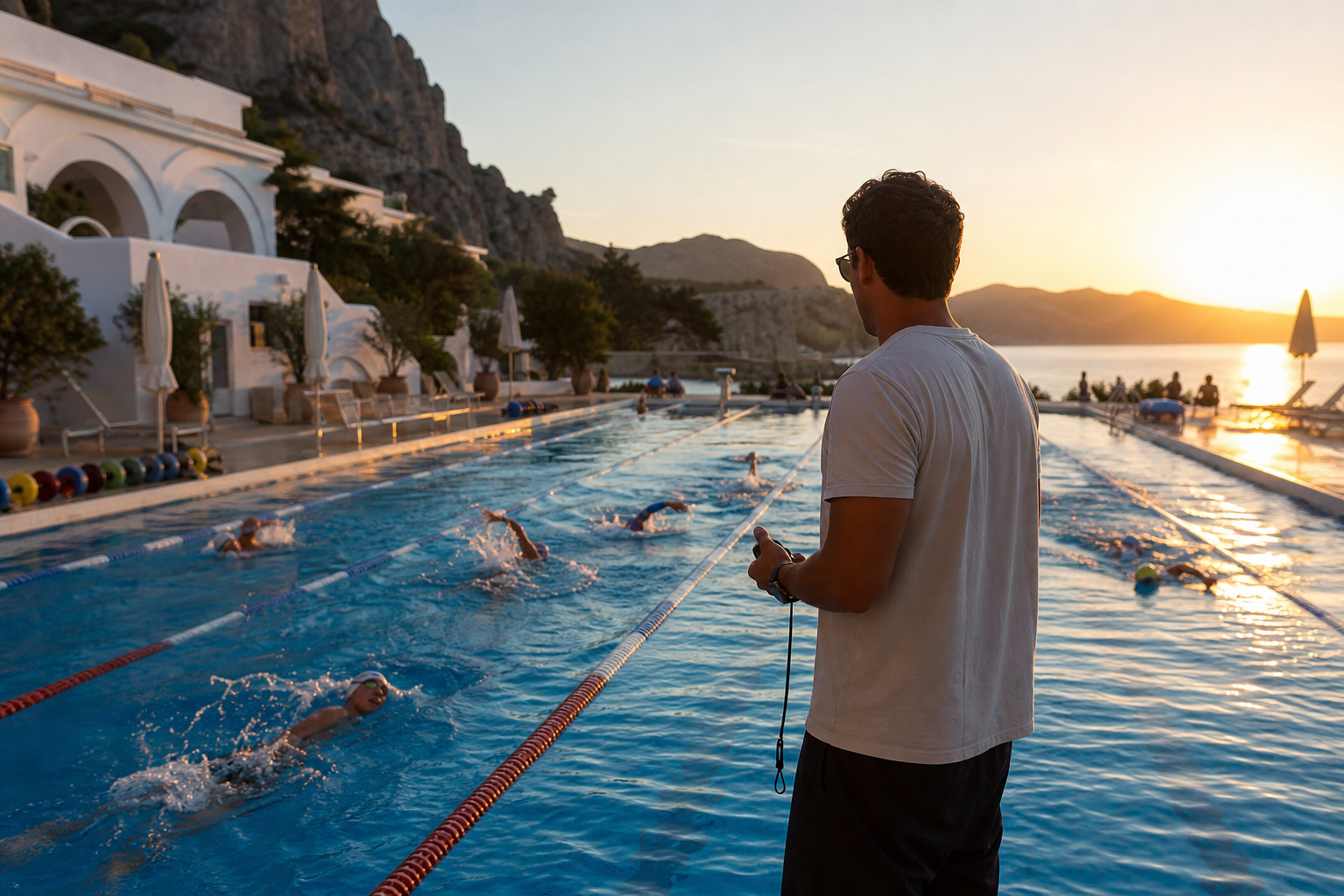
Wake up with purpose
A calm start, hydration and a brief readiness check help coaches adjust expectations before the first dive. This part of a typical day at a swim camp deserves attention because camp compresses many training and life demands into a short period. A clear plan reduces avoidable stress and leaves more energy for learning. Swimmers should understand the reason behind each choice, while coaches and families agree who is responsible. The best approach is practical rather than perfect: prepare the essentials, observe the response and adjust early. Small decisions repeated every day usually influence the quality of a camp more than one dramatic session.
Fuel the first session
Breakfast should be familiar, balanced and early enough to digest without leaving the swimmer hungry halfway through practice. This part of a typical day at a swim camp deserves attention because camp compresses many training and life demands into a short period. A clear plan reduces avoidable stress and leaves more energy for learning. Swimmers should understand the reason behind each choice, while coaches and families agree who is responsible. The best approach is practical rather than perfect: prepare the essentials, observe the response and adjust early. Small decisions repeated every day usually influence the quality of a camp more than one dramatic session.
For a concrete example, picture the daily rhythm at a camp in Split. Looking at a real destination makes it easier to compare the general advice with pool access, accommodation and travel conditions.
Complete the morning swim
Morning training often contains the most demanding technical or aerobic work because concentration and energy are highest. This part of a typical day at a swim camp deserves attention because camp compresses many training and life demands into a short period. A clear plan reduces avoidable stress and leaves more energy for learning. Swimmers should understand the reason behind each choice, while coaches and families agree who is responsible. The best approach is practical rather than perfect: prepare the essentials, observe the response and adjust early. Small decisions repeated every day usually influence the quality of a camp more than one dramatic session.
Recover immediately
Easy movement, fluids, food and dry clothes begin the recovery process within minutes of leaving the water. This part of a typical day at a swim camp deserves attention because camp compresses many training and life demands into a short period. A clear plan reduces avoidable stress and leaves more energy for learning. Swimmers should understand the reason behind each choice, while coaches and families agree who is responsible. The best approach is practical rather than perfect: prepare the essentials, observe the response and adjust early. Small decisions repeated every day usually influence the quality of a camp more than one dramatic session.
Use the midday break well
Lunch, a short rest and limited screen time restore attention more effectively than filling every hour with activities. This part of a typical day at a swim camp deserves attention because camp compresses many training and life demands into a short period. A clear plan reduces avoidable stress and leaves more energy for learning. Swimmers should understand the reason behind each choice, while coaches and families agree who is responsible. The best approach is practical rather than perfect: prepare the essentials, observe the response and adjust early. Small decisions repeated every day usually influence the quality of a camp more than one dramatic session.
Return for the second session
Afternoon practice may focus on pace, starts, turns, skills or controlled racing while fatigue creates realistic challenges. This part of a typical day at a swim camp deserves attention because camp compresses many training and life demands into a short period. A clear plan reduces avoidable stress and leaves more energy for learning. Swimmers should understand the reason behind each choice, while coaches and families agree who is responsible. The best approach is practical rather than perfect: prepare the essentials, observe the response and adjust early. Small decisions repeated every day usually influence the quality of a camp more than one dramatic session.

Add learning away from the pool
Video review, goal setting and short workshops connect what swimmers feel in the lane with what coaches observe. This part of a typical day at a swim camp deserves attention because camp compresses many training and life demands into a short period. A clear plan reduces avoidable stress and leaves more energy for learning. Swimmers should understand the reason behind each choice, while coaches and families agree who is responsible. The best approach is practical rather than perfect: prepare the essentials, observe the response and adjust early. Small decisions repeated every day usually influence the quality of a camp more than one dramatic session.
Eat for tomorrow
A balanced evening meal should replenish carbohydrate, provide protein and include enough fluid without becoming complicated. This part of a typical day at a swim camp deserves attention because camp compresses many training and life demands into a short period. A clear plan reduces avoidable stress and leaves more energy for learning. Swimmers should understand the reason behind each choice, while coaches and families agree who is responsible. The best approach is practical rather than perfect: prepare the essentials, observe the response and adjust early. Small decisions repeated every day usually influence the quality of a camp more than one dramatic session.
You can also consider a coastal programme in Antibes. Comparing two genuine camp environments helps a team identify which details matter most for its own swimmers.
Build team connection
A walk, quiz or relaxed team activity can strengthen relationships as long as it does not steal recovery time. This part of a typical day at a swim camp deserves attention because camp compresses many training and life demands into a short period. A clear plan reduces avoidable stress and leaves more energy for learning. Swimmers should understand the reason behind each choice, while coaches and families agree who is responsible. The best approach is practical rather than perfect: prepare the essentials, observe the response and adjust early. Small decisions repeated every day usually influence the quality of a camp more than one dramatic session.
Protect sleep
Consistent bedtimes, quiet rooms and a simple wind-down routine are training tools, not optional extras. This part of a typical day at a swim camp deserves attention because camp compresses many training and life demands into a short period. A clear plan reduces avoidable stress and leaves more energy for learning. Swimmers should understand the reason behind each choice, while coaches and families agree who is responsible. The best approach is practical rather than perfect: prepare the essentials, observe the response and adjust early. Small decisions repeated every day usually influence the quality of a camp more than one dramatic session.
Final checklist
Before committing, write down the main objective, the practical responsibilities and the signs that will show whether the camp worked. Confirm the timetable, equipment, travel, supervision, food and recovery arrangements. Most importantly, keep communication open. A successful camp is not defined only by kilometres completed or fast repetitions; it creates learning that swimmers can understand and continue at home. When preparation is thoughtful and expectations are realistic, the camp becomes a valuable step in long-term development rather than an isolated week of hard training.
