Improve Your Starts, Turns and Underwater Technique
A well-planned swim camp can improve technique, fitness, confidence and team culture, but the result depends on decisions made before and during the trip. This guide explains improving swimming starts, turns and underwater technique for competitive swimmers and coaches. It focuses on practical choices that protect training quality while keeping the experience positive, safe and enjoyable. Use the recommendations as a framework, then adapt them to the swimmer’s age, experience, health and goals.
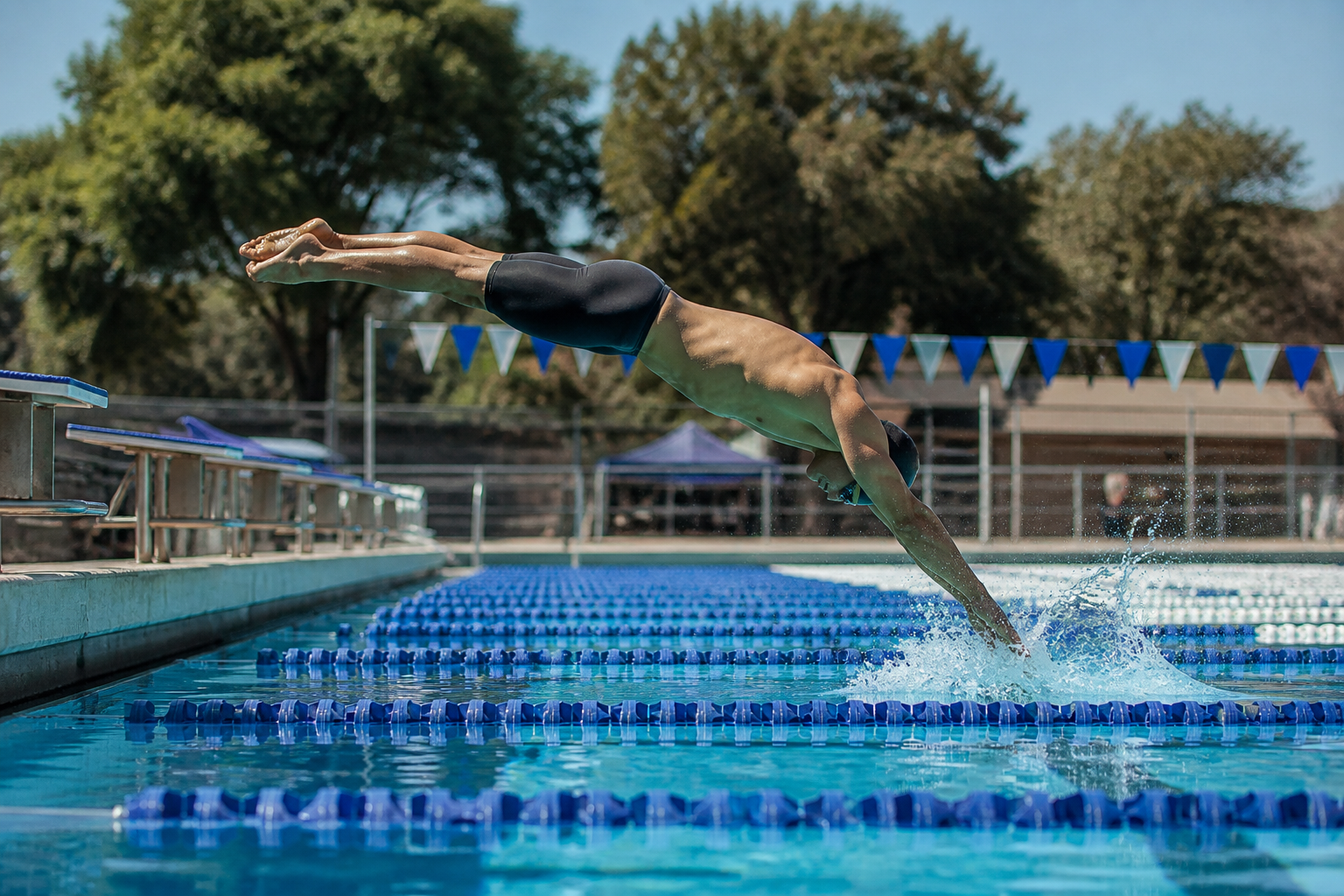
Treat skills as race speed
Starts, turns and underwater phases occupy a significant part of short-course racing and deserve planned practice. This part of improving swimming starts, turns and underwater technique deserves attention because camp compresses many training and life demands into a short period. A clear plan reduces avoidable stress and leaves more energy for learning. Swimmers should understand the reason behind each choice, while coaches and families agree who is responsible. The best approach is practical rather than perfect: prepare the essentials, observe the response and adjust early. Small decisions repeated every day usually influence the quality of a camp more than one dramatic session.
Build a repeatable start position
A stable setup with clear foot pressure and relaxed hands makes reaction and movement more reliable under pressure. This part of improving swimming starts, turns and underwater technique deserves attention because camp compresses many training and life demands into a short period. A clear plan reduces avoidable stress and leaves more energy for learning. Swimmers should understand the reason behind each choice, while coaches and families agree who is responsible. The best approach is practical rather than perfect: prepare the essentials, observe the response and adjust early. Small decisions repeated every day usually influence the quality of a camp more than one dramatic session.
For a concrete example, train these skills in a 50-metre setting in Limassol. Looking at a real destination makes it easier to compare the general advice with pool access, accommodation and travel conditions.
Create force in the take-off
The goal is coordinated direction from legs, hips and arms rather than simply jumping as hard as possible. This part of improving swimming starts, turns and underwater technique deserves attention because camp compresses many training and life demands into a short period. A clear plan reduces avoidable stress and leaves more energy for learning. Swimmers should understand the reason behind each choice, while coaches and families agree who is responsible. The best approach is practical rather than perfect: prepare the essentials, observe the response and adjust early. Small decisions repeated every day usually influence the quality of a camp more than one dramatic session.
Enter through one clean hole
Hands, head, shoulders, hips and feet should follow a narrow path that reduces drag and protects entry speed. This part of improving swimming starts, turns and underwater technique deserves attention because camp compresses many training and life demands into a short period. A clear plan reduces avoidable stress and leaves more energy for learning. Swimmers should understand the reason behind each choice, while coaches and families agree who is responsible. The best approach is practical rather than perfect: prepare the essentials, observe the response and adjust early. Small decisions repeated every day usually influence the quality of a camp more than one dramatic session.
Hold an effective streamline
Strong alignment means squeezed arms, a neutral head and controlled ribs, not unnecessary tension everywhere. This part of improving swimming starts, turns and underwater technique deserves attention because camp compresses many training and life demands into a short period. A clear plan reduces avoidable stress and leaves more energy for learning. Swimmers should understand the reason behind each choice, while coaches and families agree who is responsible. The best approach is practical rather than perfect: prepare the essentials, observe the response and adjust early. Small decisions repeated every day usually influence the quality of a camp more than one dramatic session.
Control underwater distance
Kick count and distance should match the swimmer’s speed, oxygen cost, event and current technical ability. This part of improving swimming starts, turns and underwater technique deserves attention because camp compresses many training and life demands into a short period. A clear plan reduces avoidable stress and leaves more energy for learning. Swimmers should understand the reason behind each choice, while coaches and families agree who is responsible. The best approach is practical rather than perfect: prepare the essentials, observe the response and adjust early. Small decisions repeated every day usually influence the quality of a camp more than one dramatic session.
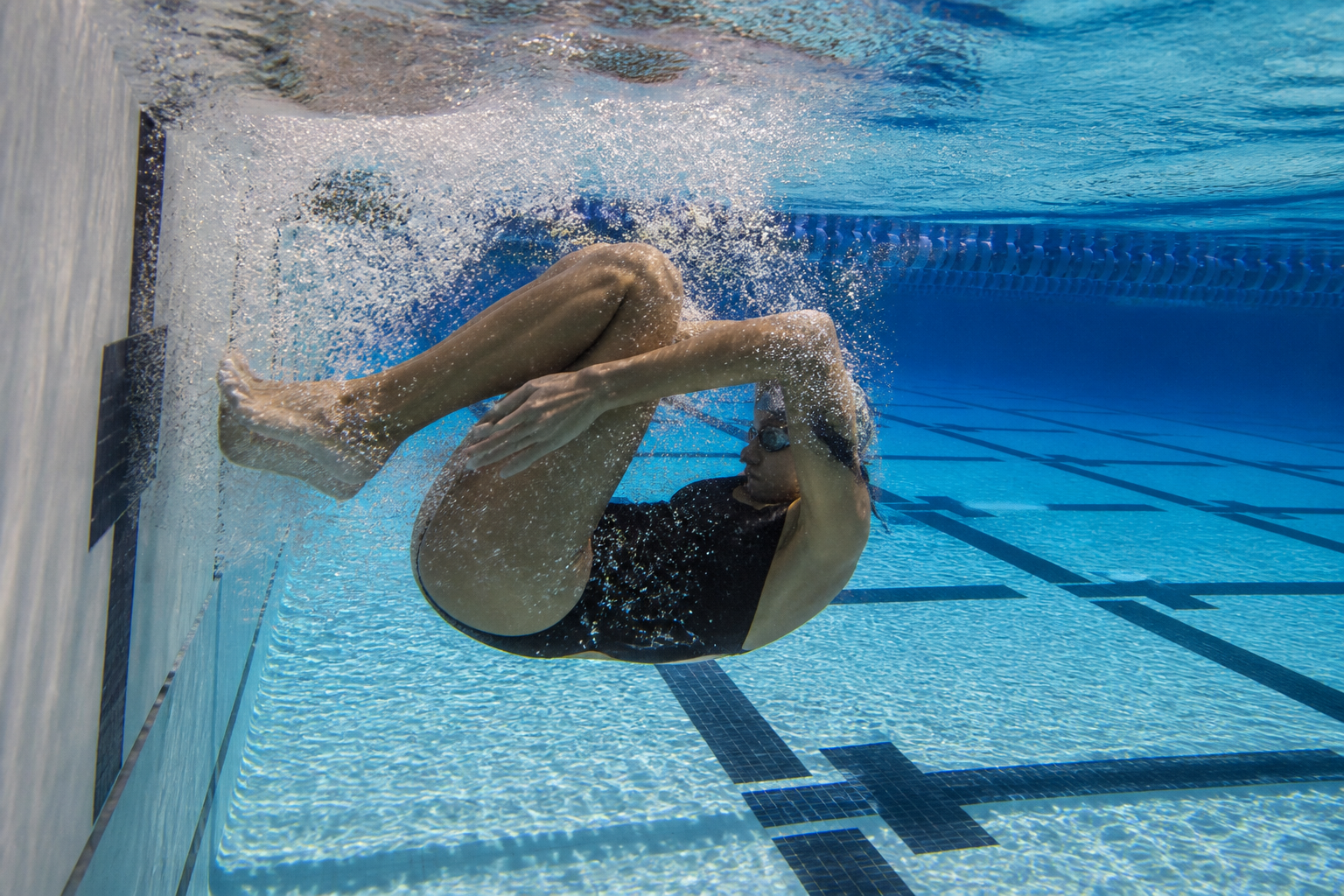
Approach walls with confidence
Counting strokes into the wall and making decisions early prevents gliding, reaching or rushed final movements. This part of improving swimming starts, turns and underwater technique deserves attention because camp compresses many training and life demands into a short period. A clear plan reduces avoidable stress and leaves more energy for learning. Swimmers should understand the reason behind each choice, while coaches and families agree who is responsible. The best approach is practical rather than perfect: prepare the essentials, observe the response and adjust early. Small decisions repeated every day usually influence the quality of a camp more than one dramatic session.
Make the turn compact
Fast rotation, close feet and immediate pressure against the wall reduce the time spent moving in the wrong direction. This part of improving swimming starts, turns and underwater technique deserves attention because camp compresses many training and life demands into a short period. A clear plan reduces avoidable stress and leaves more energy for learning. Swimmers should understand the reason behind each choice, while coaches and families agree who is responsible. The best approach is practical rather than perfect: prepare the essentials, observe the response and adjust early. Small decisions repeated every day usually influence the quality of a camp more than one dramatic session.
You can also explore technical camp possibilities in Radovljica. Comparing two genuine camp environments helps a team identify which details matter most for its own swimmers.
Break out without losing speed
The first stroke should connect to underwater speed instead of interrupting it with an early breath or lifted head. This part of improving swimming starts, turns and underwater technique deserves attention because camp compresses many training and life demands into a short period. A clear plan reduces avoidable stress and leaves more energy for learning. Swimmers should understand the reason behind each choice, while coaches and families agree who is responsible. The best approach is practical rather than perfect: prepare the essentials, observe the response and adjust early. Small decisions repeated every day usually influence the quality of a camp more than one dramatic session.
Measure skills consistently
Time to 15 metres, turn-in and turn-out splits and video from consistent angles make progress visible. This part of improving swimming starts, turns and underwater technique deserves attention because camp compresses many training and life demands into a short period. A clear plan reduces avoidable stress and leaves more energy for learning. Swimmers should understand the reason behind each choice, while coaches and families agree who is responsible. The best approach is practical rather than perfect: prepare the essentials, observe the response and adjust early. Small decisions repeated every day usually influence the quality of a camp more than one dramatic session.
Final checklist
Before committing, write down the main objective, the practical responsibilities and the signs that will show whether the camp worked. Confirm the timetable, equipment, travel, supervision, food and recovery arrangements. Most importantly, keep communication open. A successful camp is not defined only by kilometres completed or fast repetitions; it creates learning that swimmers can understand and continue at home. When preparation is thoughtful and expectations are realistic, the camp becomes a valuable step in long-term development rather than an isolated week of hard training.
