Nutrition and Hydration During Intensive Swim Training
A well-planned swim camp can improve technique, fitness, confidence and team culture, but the result depends on decisions made before and during the trip. This guide explains nutrition and hydration during intensive swim training for swimmers, parents and team staff. It focuses on practical choices that protect training quality while keeping the experience positive, safe and enjoyable. Use the recommendations as a framework, then adapt them to the swimmer’s age, experience, health and goals.
Match food to the workload
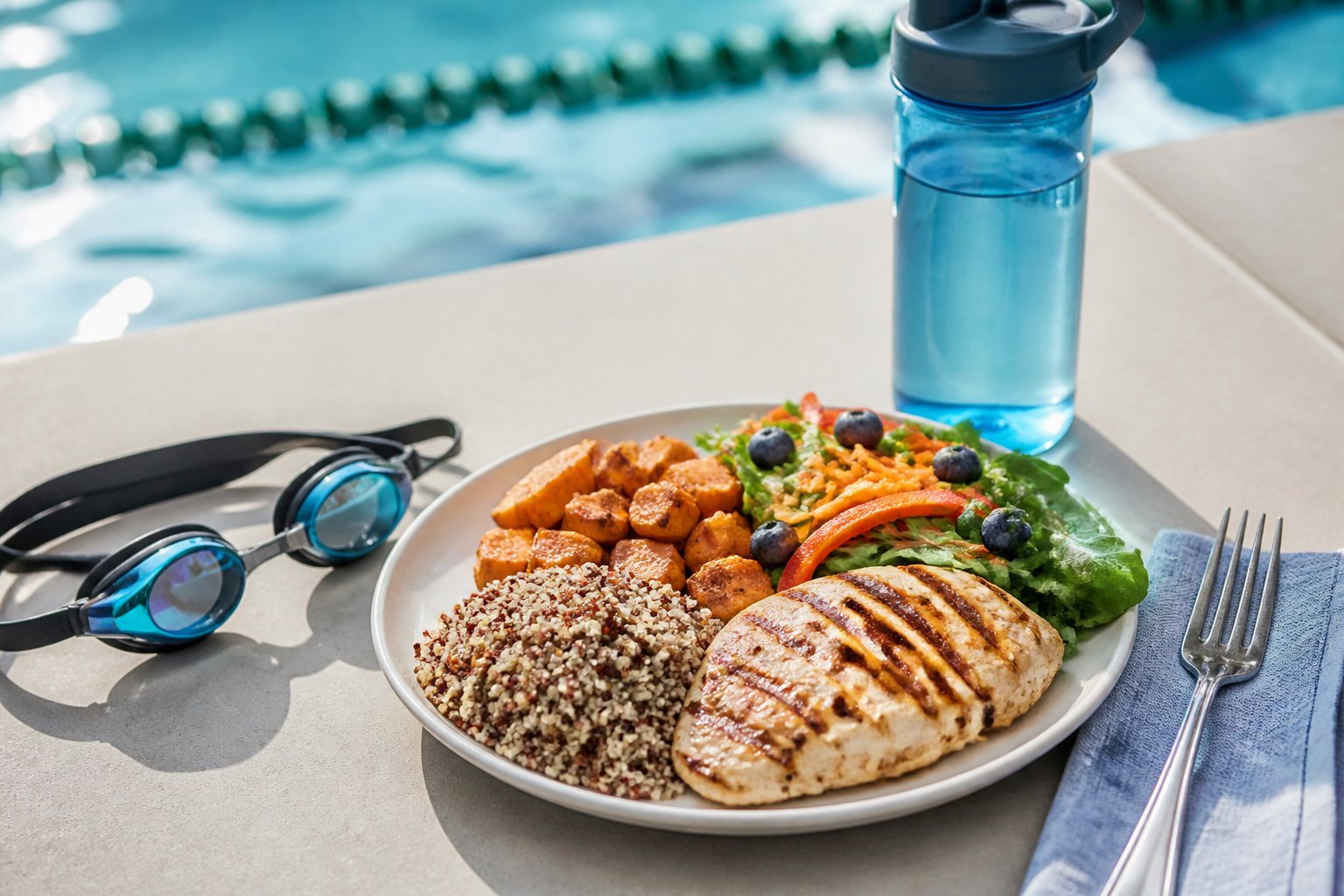
Two water sessions plus dryland work require more energy than a normal school or office day, especially from carbohydrate. This part of nutrition and hydration during intensive swim training deserves attention because camp compresses many training and life demands into a short period. A clear plan reduces avoidable stress and leaves more energy for learning. Swimmers should understand the reason behind each choice, while coaches and families agree who is responsible. The best approach is practical rather than perfect: prepare the essentials, observe the response and adjust early. Small decisions repeated every day usually influence the quality of a camp more than one dramatic session.
Start sessions fuelled
A familiar meal two to four hours before swimming and a small top-up when needed support quality without stomach discomfort. This part of nutrition and hydration during intensive swim training deserves attention because camp compresses many training and life demands into a short period. A clear plan reduces avoidable stress and leaves more energy for learning. Swimmers should understand the reason behind each choice, while coaches and families agree who is responsible. The best approach is practical rather than perfect: prepare the essentials, observe the response and adjust early. Small decisions repeated every day usually influence the quality of a camp more than one dramatic session.
For a concrete example, see a warm-weather option in Torremolinos. Looking at a real destination makes it easier to compare the general advice with pool access, accommodation and travel conditions.
Use recovery windows practically
Food soon after training is useful when the next session is close, but the whole day’s intake remains most important. This part of nutrition and hydration during intensive swim training deserves attention because camp compresses many training and life demands into a short period. A clear plan reduces avoidable stress and leaves more energy for learning. Swimmers should understand the reason behind each choice, while coaches and families agree who is responsible. The best approach is practical rather than perfect: prepare the essentials, observe the response and adjust early. Small decisions repeated every day usually influence the quality of a camp more than one dramatic session.
Include protein across the day
Regular portions at breakfast, lunch, dinner and recovery snacks support muscle repair better than one oversized evening serving. This part of nutrition and hydration during intensive swim training deserves attention because camp compresses many training and life demands into a short period. A clear plan reduces avoidable stress and leaves more energy for learning. Swimmers should understand the reason behind each choice, while coaches and families agree who is responsible. The best approach is practical rather than perfect: prepare the essentials, observe the response and adjust early. Small decisions repeated every day usually influence the quality of a camp more than one dramatic session.
Hydrate before thirst becomes urgent
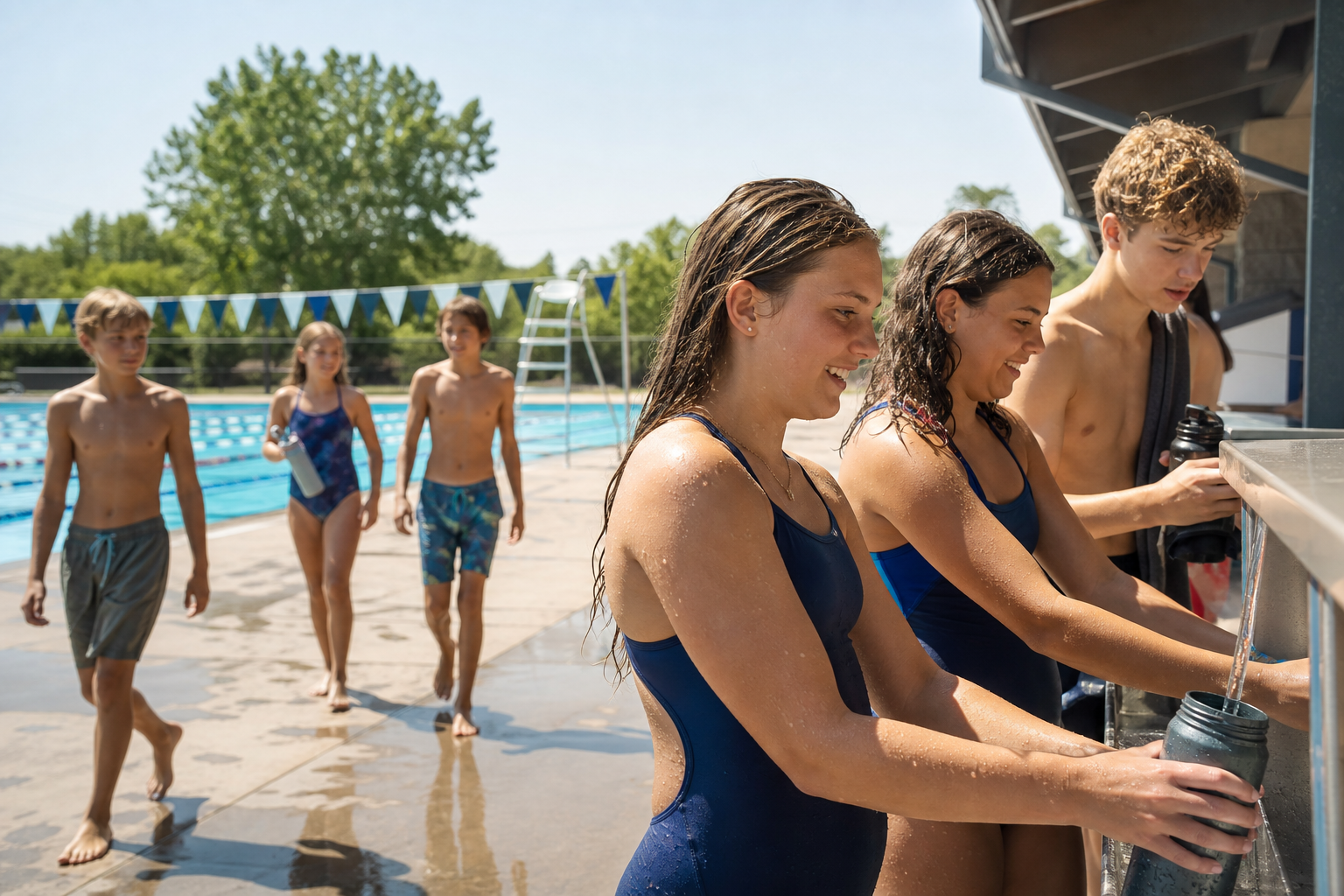
Pale urine and stable body mass are practical clues, while exact fluid needs vary with size, temperature and sweat rate. This part of nutrition and hydration during intensive swim training deserves attention because camp compresses many training and life demands into a short period. A clear plan reduces avoidable stress and leaves more energy for learning. Swimmers should understand the reason behind each choice, while coaches and families agree who is responsible. The best approach is practical rather than perfect: prepare the essentials, observe the response and adjust early. Small decisions repeated every day usually influence the quality of a camp more than one dramatic session.
Replace electrolytes when appropriate
Long, hot sessions or salty sweaters may benefit from sodium-containing drinks or foods under appropriate guidance. This part of nutrition and hydration during intensive swim training deserves attention because camp compresses many training and life demands into a short period. A clear plan reduces avoidable stress and leaves more energy for learning. Swimmers should understand the reason behind each choice, while coaches and families agree who is responsible. The best approach is practical rather than perfect: prepare the essentials, observe the response and adjust early. Small decisions repeated every day usually influence the quality of a camp more than one dramatic session.
Keep snacks simple
Fruit, yoghurt, sandwiches, cereal, milk and simple bars are often easier to tolerate than fashionable performance products. This part of nutrition and hydration during intensive swim training deserves attention because camp compresses many training and life demands into a short period. A clear plan reduces avoidable stress and leaves more energy for learning. Swimmers should understand the reason behind each choice, while coaches and families agree who is responsible. The best approach is practical rather than perfect: prepare the essentials, observe the response and adjust early. Small decisions repeated every day usually influence the quality of a camp more than one dramatic session.
Adapt to warm climates
Shade, cold fluids and additional drinking opportunities matter at Mediterranean camps where sweat losses can surprise swimmers. This part of nutrition and hydration during intensive swim training deserves attention because camp compresses many training and life demands into a short period. A clear plan reduces avoidable stress and leaves more energy for learning. Swimmers should understand the reason behind each choice, while coaches and families agree who is responsible. The best approach is practical rather than perfect: prepare the essentials, observe the response and adjust early. Small decisions repeated every day usually influence the quality of a camp more than one dramatic session.
You can also compare the climate and facilities in Cyprus. Comparing two genuine camp environments helps a team identify which details matter most for its own swimmers.
Avoid unnecessary experimentation
Camp week is a poor time to test extreme diets, unfamiliar supplements or foods that have previously caused problems. This part of nutrition and hydration during intensive swim training deserves attention because camp compresses many training and life demands into a short period. A clear plan reduces avoidable stress and leaves more energy for learning. Swimmers should understand the reason behind each choice, while coaches and families agree who is responsible. The best approach is practical rather than perfect: prepare the essentials, observe the response and adjust early. Small decisions repeated every day usually influence the quality of a camp more than one dramatic session.
Create an individual routine
Athletes should note what they eat, how they feel and how sessions respond, then refine the plan with qualified support. This part of nutrition and hydration during intensive swim training deserves attention because camp compresses many training and life demands into a short period. A clear plan reduces avoidable stress and leaves more energy for learning. Swimmers should understand the reason behind each choice, while coaches and families agree who is responsible. The best approach is practical rather than perfect: prepare the essentials, observe the response and adjust early. Small decisions repeated every day usually influence the quality of a camp more than one dramatic session.
Final checklist
Before committing, write down the main objective, the practical responsibilities and the signs that will show whether the camp worked. Confirm the timetable, equipment, travel, supervision, food and recovery arrangements. Most importantly, keep communication open. A successful camp is not defined only by kilometres completed or fast repetitions; it creates learning that swimmers can understand and continue at home. When preparation is thoughtful and expectations are realistic, the camp becomes a valuable step in long-term development rather than an isolated week of hard training.
